Automatic Chapati Machine Supplier In Madurai
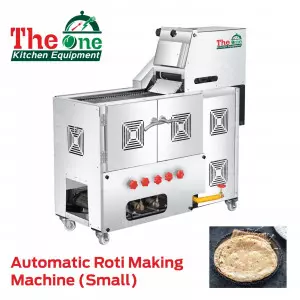
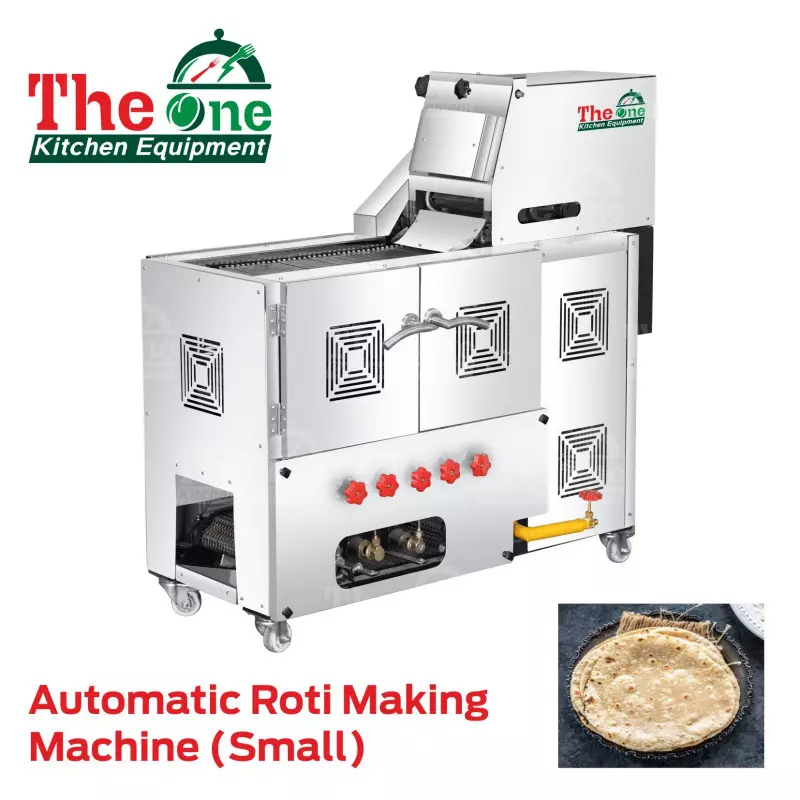
Details of Autometic Roti Machine Small
Prototype work in Madurai plays a key role for suppliers of automatic chapati machines to check if each unit works as expected and fits the specific needs of users. We find that tailoring machines here helps catch issues early, so final products don't cause trouble in busy kitchens.
Testing involves running machines through various dough types common locally and adjusting speed and thickness controls. It also includes confirming power use suits typical outlets found in food businesses around Madurai. Attention to these details prevents future hiccups during daily operations.
Basic Requirements for Installation
Power: Stable electrical supply matching machine voltage
Space: A clean, flat area allowing easy access on all sides
Dough Preparation: Dough must be consistent with moisture content recommended by manual
User Training: Operator should know basic settings and safety rules before starting machine
Maintenance: Regular cleaning after use plus scheduled lubrication and checks
The workplace where we build or test such machines focuses on practicality more than polish. People bring experience from kitchen setups; their feedback shapes small but vital tweaks in design to better match real demands rather than lab ideals. This approach cuts down later complaints and fixes.
Culture around our work is straightforward: fix problems quickly, keep parts ready, answer client questions without delay, and never overpromise what the machine can handle. It's not about fancy claims but steady performance under pressure – the kind found during morning rush at a hotel or catering hall.
If you plan to add an automatic chapati machine to your setup in Madurai or nearby, start by checking your kitchen’s power stability and space availability first (this often surprises new buyers). Then think about operator readiness—untrained staff struggle with these units until they get familiar with controls. Last, set up simple routines for cleaning after every batch so dough residue doesn't clog rollers or heaters (this one gets ignored way too often).
Offered Product
