Chapati Machine Manufacturer In Secunderabad
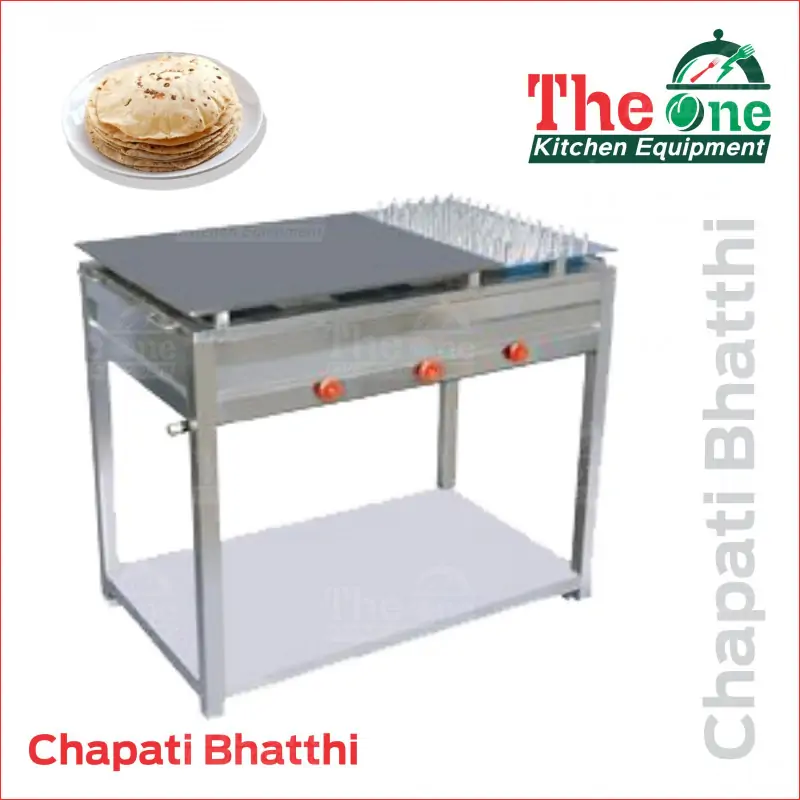
Details of Chapati Bhatthi
We handle manufacturing chapati machines for clients in Secunderabad with a focus on fast delivery and clear communication to meet their kitchen needs. Chapati machines need reliable power input to keep operations smooth, typically requiring stable electricity supply around 220-240 volts in this region, which matches local standards.
Power matters here because fluctuations could slow production or damage the machine. We design our units to cope well with such conditions, aiming to reduce downtime as much as possible. The setup includes motors sized for continuous use without overheating while maintaining good output speeds suitable for busy commercial kitchens.
How Our Machines Fit Your Kitchen
- Performance
- The machines operate steadily under typical restaurant workloads without frequent breaks.
- Durability
- Built from stainless steel parts that resist rust and wear over time despite heavy daily use.
- User Friendly
- Controls are simple; staff training is brief so operators get going quickly.
This plan helps buyers understand the main benefits of choosing our chapati machines over alternatives. It also aligns expectations about maintenance and operational needs, which is key in managing costs at food businesses.
Clients in Secunderabad often mention challenges like limited space and inconsistent power supply. We respond by customizing machine dimensions and adding voltage stabilizers if needed. This kind of local insight affects how we build and recommend models for different setups, from cloud kitchens to larger restaurants.
Another point comes down to servicing speed—getting repairs done without long waits is crucial around here because downtime hits revenue hard. We keep a stock of common spare parts nearby plus offer quick remote support where possible (though on-site fixes remain best).
If you want more details about what these chapati machines can do or how they fit your place, just reach out. We're ready to discuss specifications, options for size or speed adjustments, plus help plan installation so it fits seamlessly into your kitchen workflow without big disruptions.
Offered Product
